Rumors are everywhere during the COVID-19 pandemic and it is increasingly difficult to separate rumors from facts. Those first confronted by the enormous challenge of fighting this infodemic to save their lives were the people of Hubei Province in China. To understand how they defined and processed rumors, we conducted an interview study with Hubei residents when they were under lockdown.
Individuals typically defined rumors in terms of one or two of three features: non-factual information, information unsanctioned by the government, and information causing panic.
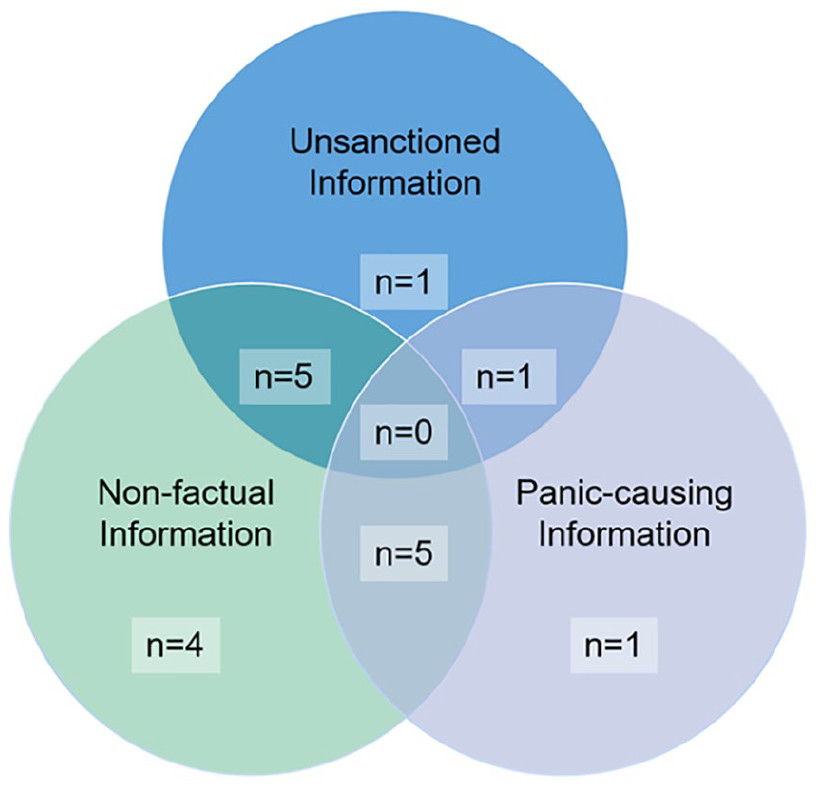
Definitions of rumors.
They reported low motivation in verifying the information and often either rejected any information they perceived as suspicious or waited for the government to debunk rumors. Even among those who tried to verify information, most relied exclusively on heuristic processing cues such as source credibility, linguistic and visual cues, and intuition. Systematic processing strategies such as fact-checking and discussing with family and friends were seldom used.
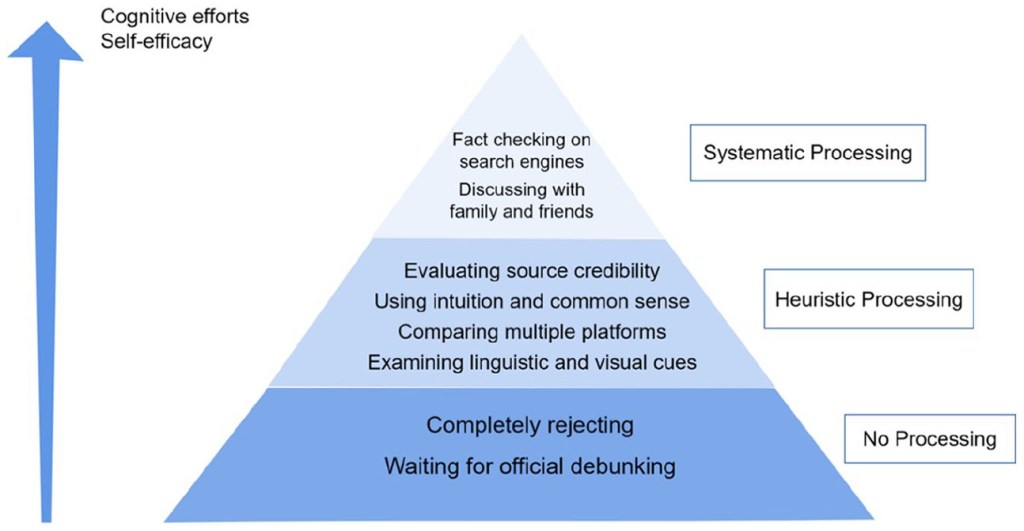
Strategies to identify rumors
Zou, W., & Tang, L. (2021). Rumors and processing strategies during the COVID-19 outbreak in China. Public Understanding of Science. 10.1177/0963662520979459. Free full text online
 Dr. Lu Tang, Health Communication Researcher