Semantic Network of China’s State-Run Media’s Weibo posts during the COVID-19 pandemic

China’s state-run media are the mouthpiece of the government. During public health crises such as the COVID-19 pandemic, they are responsible for disseminating essential information to the public on behalf of the government. This study examined the Sina Weibo posts published by three leading state-run media entities (CCTV, People’s Daily, and Xinhua News Agency) during the first wave of the COVID-19 outbreak.

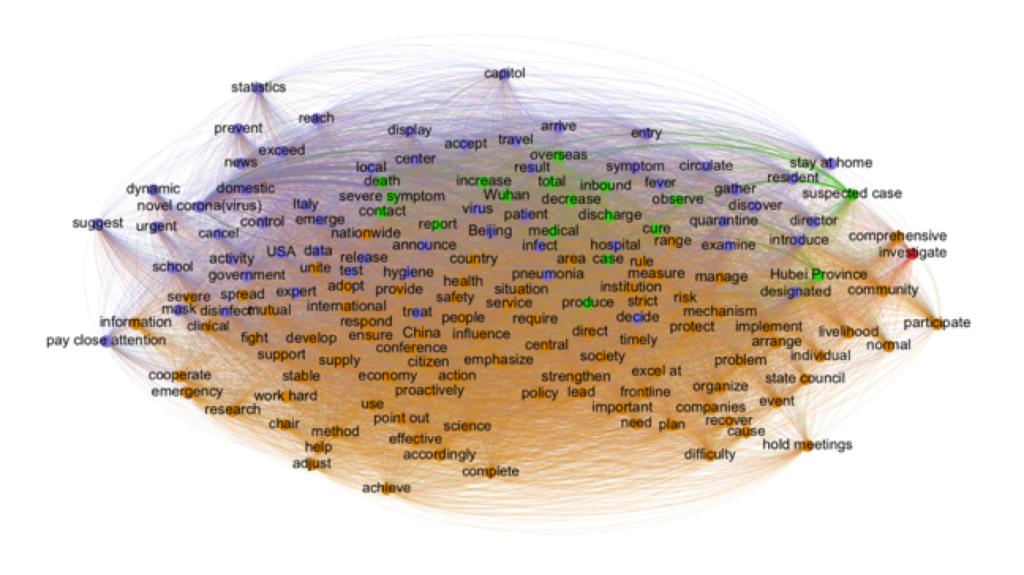
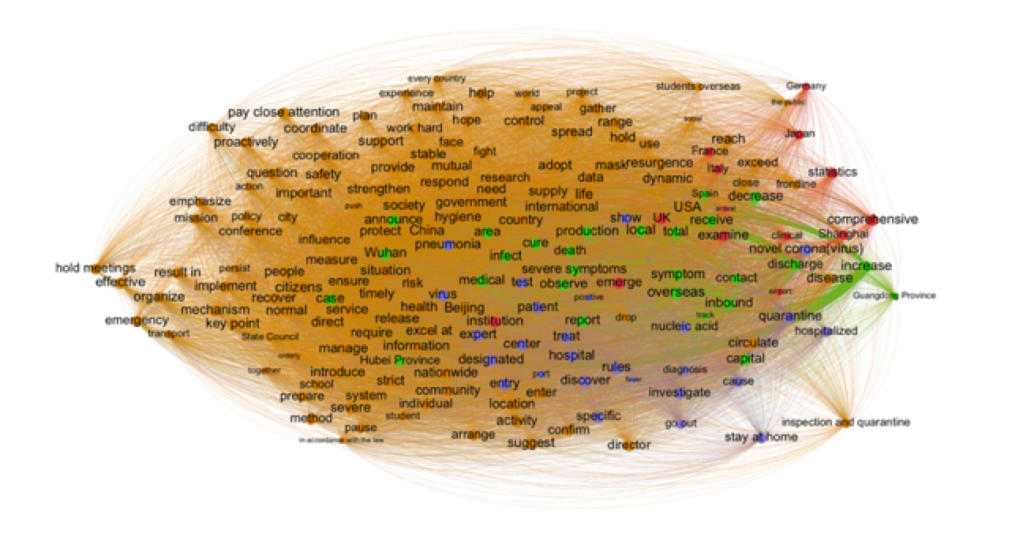
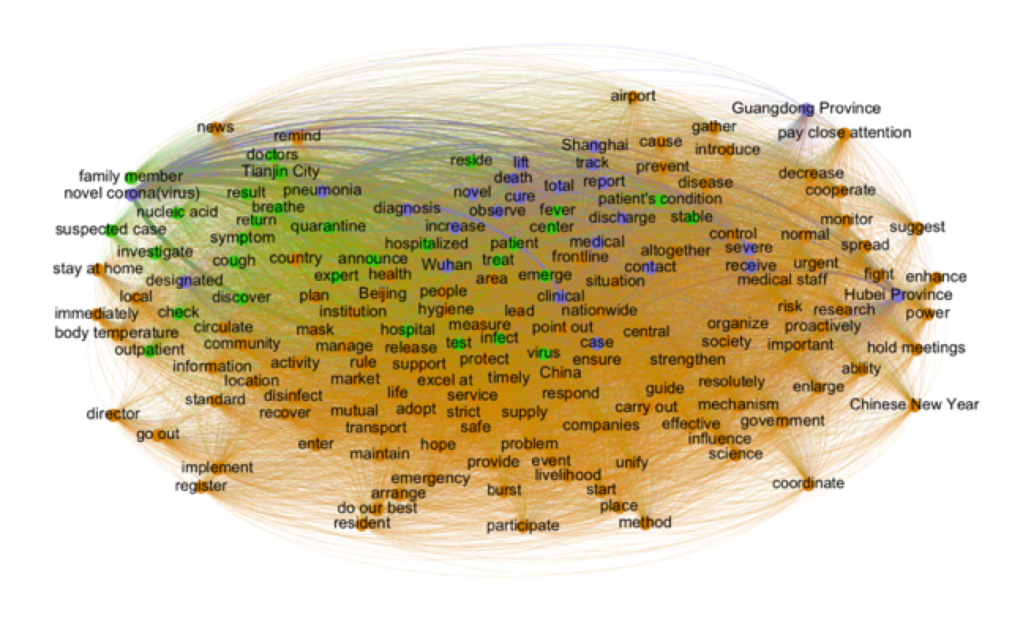
Semantic networks were extracted from posts during each stage of the outbreak, and clusters of nodes representing communication themes were identified, including investigations of the coronavirus, governmental policies and response efforts, case updates, prevention and control, and medical treatment. These themes indicate the use of information and bolstering strategies to maintain and increase government legitimacy.
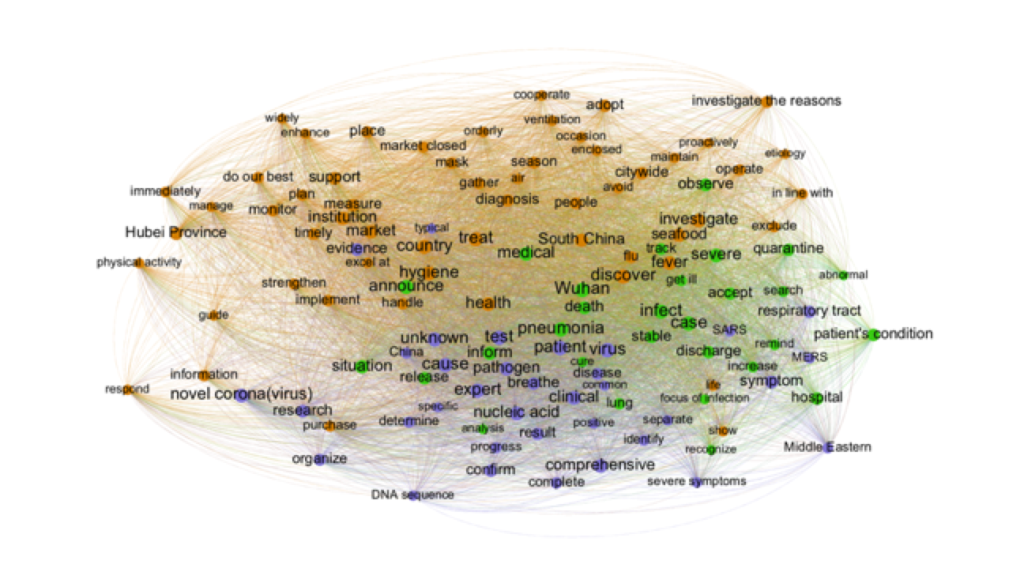
Semantic Network of Top Three State Media Sina Weibo Messages about COVID-19 (Stage 1): Themes: (1) the government’s response efforts (gold), (2) expert investigations of a virus of unknown cause (purple), and (3) medical treatment (green).
Stage 2: Themes: (1) the government’s policies and response efforts (gold), (2) case updates (purple), and (3) medical treatment (green).
Stage 3: Themes (1) the government’s response efforts (gold), (2) report of inbound cases from overseas (green), (3) virus containment and report of global cases (purple), and (4) investigations of prison cases (red).

Stage 4: Themes (1) international collaboration and reopening (gold), (2) report of inbound cases from overseas (green), (3) global case updates and prevention (red), and (4) treatment (purple).

Meadows, C.Z., Tang, L., Zou, W. (2022). Managing government legitimacy during the COVID-19 pandemic in China: a semantic network analysis of state-run media Sina Weibo posts. Chinese Journal of Communication. https://doi.org/10.1080/17544750.2021.2016876 [Full text]


How middle-aged and older African American individuals use information during the COVID-19 pandemic

I have always been interested in studying the health and healthcare experiences of minority groups. Thanks to my collaborators and recently, my doctoral advisee Felicia York, I was able to study the health experiences of middle-aged and older African American individuals in terms of chronic cardiovascular disease management and information use during COVID-19.

In a study recently published in Frontiers in Public Health, we reported the findings of an interview study exploring how middle aged and older African Americans use information during the early months of the COVID-19 pandemic. Here are some of our main findings:

  1. Even at the beginning of the pandemic, these individuals primarily relied on information scanning based on their routine media consumption to acquire information about COVID-19 and seldom actively searched for information outside of their regular media use.
  2. Unlike previous studies that suggest increased social media use for information seeking and exchanging among other demographic groups [e.g., (18)], our findings show that middle[1]aged and older African Americans are less likely to use social media for COVID-19 related information.
  3. Individuals used several strategies to assess the quality of the information they received, including checking source credibility, comparing multiple sources, fact-checking, and praying.

Our study finds that middle-aged and older African American individuals overwhelmingly rely on cable news (CNN) and local television stations (ABC, CBS, and NBC) for COVID-19 related information, and they have high trust in these sources. This means that traditional TV channels are probably the most effective way to reach this particular demographic group in terms of risk communication about the COVID-19 pandemic and other public health crises in the future. For the demographic group studied in the current study, knowledge deficiency is probably not a contributing factor to the disparity related to COVID-19. In particular, since religion plays an essential role in African American’s coping with this health risk, health organizations could integrate faith-based content into health messages to attract this group’s attention.

Tang, L., York, F., & Zou, W. (2021). Information use during COVID-19: An interview study of African Americans. Frontiers in Public Health, 9:709416. https://doi.org/10.3389/fpubh.2021.709416

Male Crossdressing Performances and Gender Stereotypes in China

The remarkable success of China’s market economy, its burgeoning social media platforms, traditional beliefs about gender roles, and the government’s promotion of a harmonious society and positive energy (zheng nengliang) have given birth to a new form of comedy on Douyin: male cross-dressing videos.

Click here to see a compilation of such videos on YouTube.

However, this new genre is different from online satire videos popular during the first decade of the 21st century. Early satirical videos circulated on the Internet were inherently political and represented a subtle resistance toward Internet control and social injustice. However, in the recent decade, the political has been replaced by the personal, and resistance has given way to the embracement of the ideologies of patriarchy, commercialization, and therapeutic governance.

We studied the portrayal of female roles in male cross-dressing performances on Douyin, China’s preeminent video sharing platform. We focused on the female roles in three interpersonal relationships: mother-son/daughter relationships, heterosexual romantic relationships, and friendships.

Our analysis identified four stereotypical female personalities: fragile, controlling, materialistic, and insincere. These female personalities reflect the deeply ingrained sexism in Chinese society. Women are viewed as inferior to men and are disciplined to conform to gendered roles prescribed by traditional social norms.

Read the full text of the article here

Tang, X., Zou, W., Hu, Z., Tang, L. (2021). Recreating gender stereotypes: Male cross-dressing performances on Douyin in neo/non-liberal China. Journal of Broadcasting & Electronic Media, 65(6): 660-678(Corresponding author) https://doi.org/10.1080/08838151.2021.1955888 [Full Text]

What do we believe in? Rumors and processing strategies during the COVID-19 outbreak in China

Rumors are everywhere during the COVID-19 pandemic and it is increasingly difficult to separate rumors from facts. Those first confronted by the enormous challenge of fighting this infodemic to save their lives were the people of Hubei Province in China. To understand how they defined and processed rumors, we conducted an interview study with Hubei residents when they were under lockdown. 

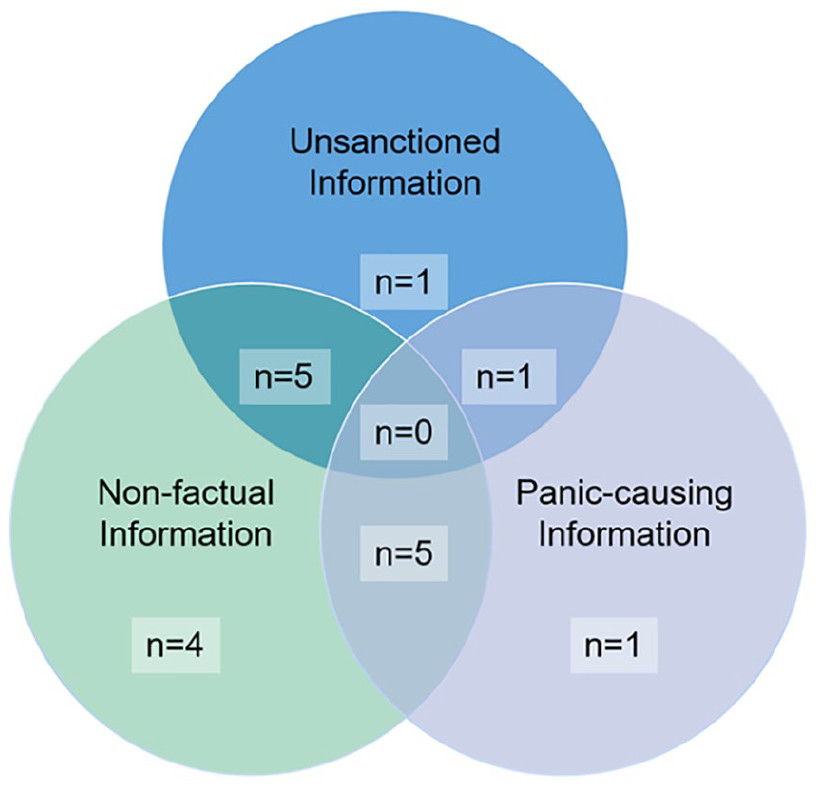
Individuals typically defined rumors in terms of one or two of three features: non-factual information, information unsanctioned by the government, and information causing panic.

Definitions of rumors.

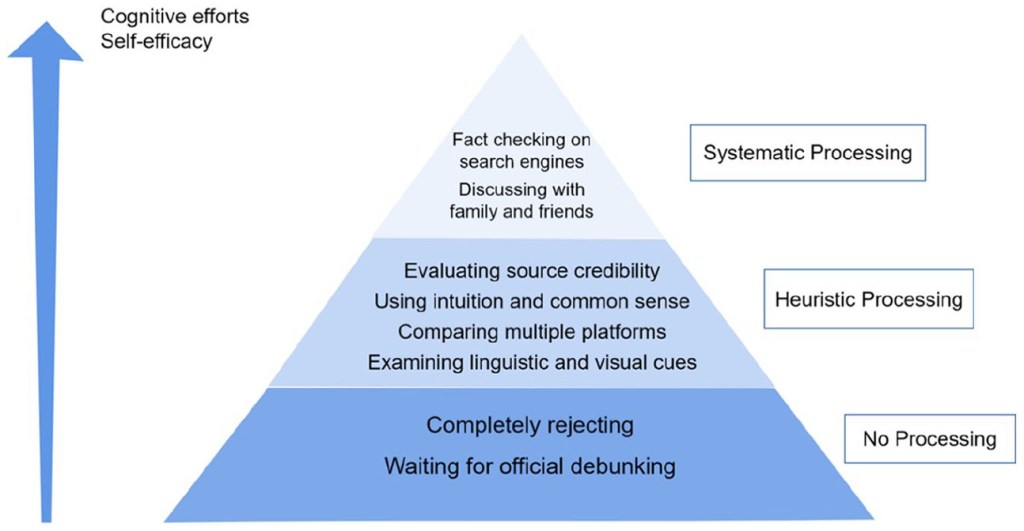
They reported low motivation in verifying the information and often either rejected any information they perceived as suspicious or waited for the government to debunk rumors. Even among those who tried to verify information, most relied exclusively on heuristic processing cues such as source credibility, linguistic and visual cues, and intuition. Systematic processing strategies such as fact-checking and discussing with family and friends were seldom used.

Strategies to identify rumors

Zou, W., & Tang, L. (2021). Rumors and processing strategies during the COVID-19 outbreak in China. Public Understanding of Science. 10.1177/0963662520979459. Free full text online

How well are public health agencies using the Facebook?

These days, public health agencies such as the CDC are increasingly using social media to communicate directly with the public. We conducted a study to examine how the CDC and state health departments were doing based on their contents in 2017. This study was guided by the Extended Parallel Processing Model. This study was led by Dr. Cui Meadows at East Carolina University.

  • The Facebook messages of both the CDC and SHDs cover a wide range of topics. This includes infectious disease outbreaks and general health issues and concerns, such as antibiotic use, cancer, cardiovascular disease, dental health, domestic violence, healthy eating, infant/child health, salmonella, smoking, travel safety, and immunization.
  • Overall, the CDC’s messages are better crafted than those of state health departments in terms of including components that have been shown to be conducive to health behaviors, such as information about severity, susceptibility, self-efficacy and response efficacy.
  • The federal and state health agencies rarely communicate self-efficacy related information on Facebook. This is problematic because efficacy information is critical to promoting healthy outcomes because high efficacy can help boost self-confidence and enhance the belief that the recommended action will work.

Meadows, C., Meadows, C. Z., Tang., L., (2020). The CDC and state health department Facebook messages: An examination of frames and the Extended Parallel Processing Model. Communication Studies 71(5): 740-752. doi: 10.1080/10510974.2020.1819839 [Full text]

That Baby Blue (Part I)

Around 8–13% of new mothers suffer from postpartum depression (PPD) worldwide. In the Greater China Region, this figure rises to around 20%. How does the Chinese culture (especially in terms of gender relationship and family dynamics) influence Chinese women understand, experience, and deal with PPD?  

We conducted interviews with 38 mothers with small children in China to find out. Some interesting findings are:

New mothers want instrumental supports from their own mothers and mothers-in-law; informational support from their friends, physicians, and the Internet; and emotional support from their husbands. Anger and stress occur when such expectations are not met. Such expectations are rooted in China’ traditional definition of families and gender roles.

  • Traditional Chinese families are extended families where three or even four generations live together. Consequently, having a child is not only the choice of a couple but also their duty to their parents, and raising a child, likewise, is the responsibility of the grandparents as much as that of the parents.
  • China’s traditional gender roles dictate that women are responsible for household chores while men are responsible for working outside the home. Hence, childcare is considered the job of women: mothers, grandmothers, and even aunts.
  • Finally, culture affects how family members in China communicate with each other regarding social support. Different from western cultures in which individuals are prioritized, Chinese culture prioritizes group goals over individual needs. Consequently, Chinese people are less likely to enlist the social support they need to avoid disrupting family harmony.

Tang, L., Zhu, R., & Zhang, X. (2016). Postpartum depression and social support in China: A cultural perspective. Journal of Health Communication, 21(9), 1055-1061. doi: 10.1080/10810730.2016.1204384. [Full article]

Mickey Mouse got the measles!

Do you remember the 2015 Measles outbreak originating in Disneyland in California? This outbreak was one of the biggest outbreaks of emerging infectious diseases in the United States before the COVID-19 pandemic.

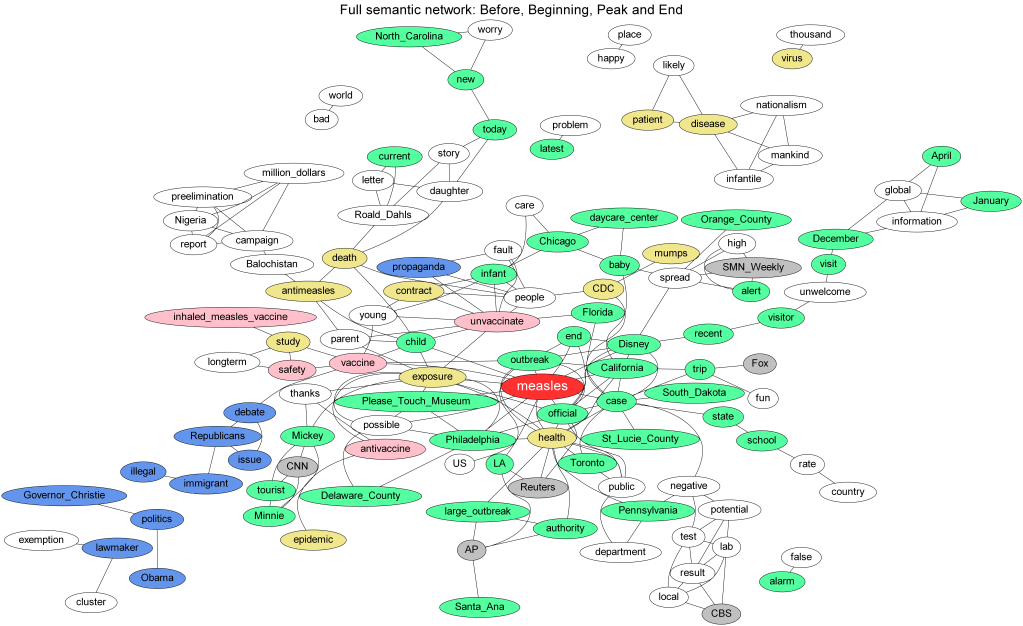
In one study, we examined the semantic networks of Twitter contents about measles based on the corpus of 1 million tweets.

Semantic networks represent the semantic relationships among a set of words. In a semantic network, word-use frequencies and co-occurrence of the most frequently occurring words represent shared meanings and common perceptions. For instance, the cluster of purple words in the lower-left corner of the network represents the political frame, where people talk about the causes and solutions of the outbreak in political terms. For instance, whether measles was brought to the US by immigrant? What kind of role the government should play in preventing such outbreaks?

We identified four major frames: news update frame, public health frame, vaccine frame, and political frame.  

We also mapped the longitudinal changes of the frames during different stages of the outbreak.

The news update frame appeared to be the most dominant frame during the initial and resolution stages.

The public health frame was 1 of the 2 most dominant frames in the pre- crisis stage; however, its use decreased during the initial stage and was lowest during the maintenance stage.

The use of the vaccine frame increased from pre-crisis stage to the initial stage and the vaccine frame became the most dominant frame during the maintenance.

The political frame was the least often used frame in all four stages of the outbreak and appeared most frequently during the maintenance stage.

Tang, L., Bie, B., Zhi, D. (2018). Tweeting about measles during an outbreak: A semantic network approach to the framing of emerging infectious diseases. American Journal of Infection Control, 46(12), 1375-1380. doi: 10.1016/j.ajic.2018.05.019

How do people consume information about COVID-19?

The SARS-COV-2 virus or novel coronavirus was first detected in December of 2019 in Wuhan, Hubei Province, China. Even though doctors suspected that it was a highly dangerous virus similar to SARS, the Chinese government denied the existence of human-to-human transmission until January 20th. On January 23rd, Wuhan was suddenly put under a complete lockdown. The rest of Hubei Province was also put under lockdown soon afterward.

How did residents in Hubei Province acquire and share information during its COVID-19 outbreak? As China was the first country to experience the disease, understanding of the virus and the outbreak was extremely limited during the initial stage of the outbreak. Methods of prevention and treatment were almost completely unknown. The information control measures carried out in China made it even more difficult for the public to understand the situation.

We conducted interviews with residents of Hubei Province while they were under lockdown between late January and the end of February 2020. Our study reached several interesting findings.

  1. While we expected that people would actively search for COVID-19 related information, our study suggested that individuals primarily acquire information passively, relying on TV news, news subscription services, and verified social media accounts of governments, and state media.
  2. People trust governmental sources, despite the initial problems of cover-up.
  3. People prefer to share information with family members through private channels than with one’s extended social networks and the general public through public channels mostly due to concerns with censorship.

This study has been recently published in the COVID-19 special issue of Health Communication.

Tang, L. & Zou, W. (2020). Health information consumption under COVID-19 lockdown: An interview study of residents of Hubei Province, China. Health Communication, 36(1): 74-80. doi: 10.1080/10410236.2020.1847447.